
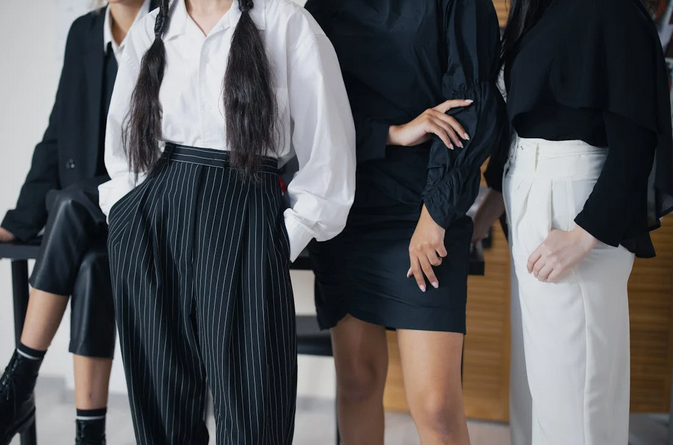
Dressing for professional success is more than simply choosing clothes; it reflects confidence, competence, and personal style. Many women inadvertently make choices that can diminish their professional image, even when the intention is to look polished and capable. Understanding common mistakes women make with professional attire allows for better wardrobe decisions, projecting authority and refinement in the workplace. From ill-fitting garments to mismatched accessories, small missteps can overshadow skills and professionalism. By recognizing and correcting these errors, women can present themselves with poise while feeling comfortable and confident. Awareness of these pitfalls is the first step in cultivating a wardrobe that communicates competence, style, and credibility in any professional setting.
Wearing Ill-Fitting Clothes
One of the most frequent errors is wearing garments that are either too tight or excessively loose. Ill-fitting clothing can appear sloppy or uncomfortable, drawing attention away from professional abilities. A blazer that pulls at the shoulders, pants that sag, or skirts that are either too short or too long can create distractions and impact confidence. It is important to find clothing that complements the body shape without exaggeration, allowing natural movement while maintaining a sharp silhouette. Simple adjustments, such as minor tailoring, can significantly improve appearance, projecting an image of competence and careful consideration in personal presentation.
Choosing Inappropriate Footwear
Shoes may seem secondary, yet they greatly influence perception. Opting for excessively casual shoes, such as sneakers in formal offices, or wearing heels that are impractical for daily activity can detract from a polished look. Choosing footwear that combines style, comfort, and professionalism supports posture and confidence. Classic pumps, modest heeled boots, or refined flats work well for most professional settings. Overly flashy designs or inappropriate colors can shift focus from professional abilities to fashion choices, subtly undermining authority. Considering both aesthetics and practicality ensures that shoes complement attire while supporting long hours at work without discomfort.
Ignoring Color Coordination and Patterns

Poor color choices or clashing patterns are common wardrobe missteps. Bright, overly bold colors or mismatched combinations can appear unprofessional, while monotonous attire may feel dull and uninspired. Understanding the visual impact of color coordination helps communicate confidence and sophistication. Neutral tones like black, navy, beige, and gray are versatile and can be complemented with subtle pops of color. Patterns, when chosen thoughtfully, can add personality without overwhelming the outfit. Testing combinations ahead of time and observing how colors interact in professional settings reduces the risk of missteps, fostering a cohesive and confident appearance.
Overlooking the Role of Accessories
Accessories complete an outfit but can easily be mismanaged. Wearing excessive jewelry, overly large handbags, or statement pieces that clash with clothing can distract from a professional image. Conversely, neglecting accessories entirely may make an outfit appear incomplete or uninspired. Striking a balance is crucial: simple, elegant pieces such as a classic watch, small earrings, or a structured handbag can enhance a professional look without drawing undue attention. Accessories should harmonize with the outfit, reinforcing a polished impression and reflecting attention to detail without appearing ostentatious or inconsistent.
Wearing Clothes Unsuitable for the Workplace
Selecting clothing without considering office norms is another frequent mistake. Outfits that are too casual, revealing, or informal can send unintended messages, affecting credibility and perception. Professional settings often demand a balance between personal style and conventional workplace attire. Skirts and dresses should be appropriate in length, tops should avoid excessive exposure, and casual items such as ripped jeans or tank tops are best reserved for non-work occasions. Observing office culture and understanding dress codes allows individuals to adapt while maintaining comfort and authenticity, ensuring that attire reflects both professionalism and personal expression.
Avoiding common mistakes in professional attire requires careful attention to fit, footwear, accessories, color coordination, and appropriateness for the workplace. By addressing these areas, women can enhance their professional image, …


 Embroidered patches can be used as an accent on an outfit. Try adding one to a denim jacket or a plain white tee.
 Do some research into what perfumes are on the market. You can go to a department store or even search online for “best perfume,” and you will be able to see which ones are most popular with other people. This is important because if others love it, then there is probably something good about it that makes them enjoy wearing it.
 Perfume companies often give out samples of their perfumes. This is an excellent idea because you can try it before you buy and it saves money too. If available to you, you should take advantage of this opportunity, as this will make the process much easier.
 The most stylish watch is not appropriate for heavy outdoor use. At maximum, general Rolex models can only withstand 300 m deep water pressure. If you want to wear a watch underwater, then you have to buy a dive watch, such as Breitling or Blancpain, which perhaps do not look as elegant and polished as their conventional counterparts. This rule also applies to shock-resistant watches. In fact, most durable shock-resistant watches use resin straps instead of the bracelet straps.
 When a model of a watch seems like it fits you, it is not always the reality. In order to be 100% sure, it is best if you try wearing the watch with your every day’s style. Wear your best suit to test out how suitable the desired watch is. For casual purposes, wear your shirts and denim to make sure that the watch does not turn your relaxed style into an overly formal look.
 Just like cooking, it is hard to do the job without the right tools. There are a lot of tools available that makes it possible for individuals to make their unique sewing patterns. Some tools have substitutes, but many tools have a unique and important task that only it alone can achieve. It is worth investing in some quality items as they make the pattern creation task easier. A clear ruler, small pair of scissors, a seam allowance marker, a mechanical pencil, rotary cutter and a French curve are some of the essential tools to get started. Pattern paper and some manila oak tag paper also aid in drafting directly into the paper before transferring the final pattern to Manila oak tag paper.
 After learning and gaining the necessary skills in pattern-making and have some quality tools, then it is time to try it yourself. It will take a few practices to become comfortable with the process of drafting patterns and later on start creating designs with ease.


