
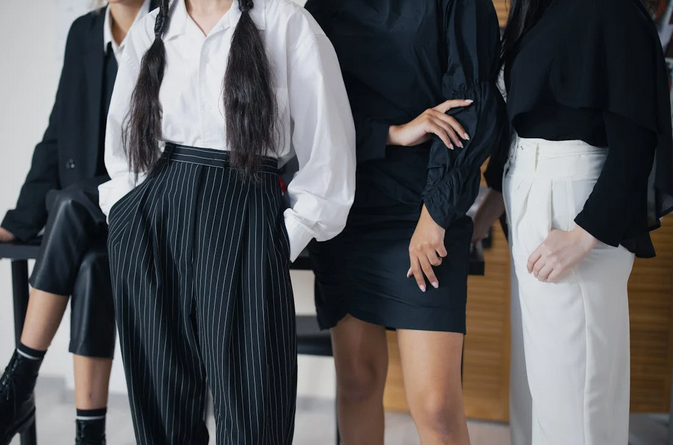
Dressing for professional success is more than simply choosing clothes; it reflects confidence, competence, and personal style. Many women inadvertently make choices that can diminish their professional image, even when the intention is to look polished and capable. Understanding common mistakes women make with professional attire allows for better wardrobe decisions, projecting authority and refinement in the workplace. From ill-fitting garments to mismatched accessories, small missteps can overshadow skills and professionalism. By recognizing and correcting these errors, women can present themselves with poise while feeling comfortable and confident. Awareness of these pitfalls is the first step in cultivating a wardrobe that communicates competence, style, and credibility in any professional setting.
Wearing Ill-Fitting Clothes
One of the most frequent errors is wearing garments that are either too tight or excessively loose. Ill-fitting clothing can appear sloppy or uncomfortable, drawing attention away from professional abilities. A blazer that pulls at the shoulders, pants that sag, or skirts that are either too short or too long can create distractions and impact confidence. It is important to find clothing that complements the body shape without exaggeration, allowing natural movement while maintaining a sharp silhouette. Simple adjustments, such as minor tailoring, can significantly improve appearance, projecting an image of competence and careful consideration in personal presentation.
Choosing Inappropriate Footwear
Shoes may seem secondary, yet they greatly influence perception. Opting for excessively casual shoes, such as sneakers in formal offices, or wearing heels that are impractical for daily activity can detract from a polished look. Choosing footwear that combines style, comfort, and professionalism supports posture and confidence. Classic pumps, modest heeled boots, or refined flats work well for most professional settings. Overly flashy designs or inappropriate colors can shift focus from professional abilities to fashion choices, subtly undermining authority. Considering both aesthetics and practicality ensures that shoes complement attire while supporting long hours at work without discomfort.
Ignoring Color Coordination and Patterns

Poor color choices or clashing patterns are common wardrobe missteps. Bright, overly bold colors or mismatched combinations can appear unprofessional, while monotonous attire may feel dull and uninspired. Understanding the visual impact of color coordination helps communicate confidence and sophistication. Neutral tones like black, navy, beige, and gray are versatile and can be complemented with subtle pops of color. Patterns, when chosen thoughtfully, can add personality without overwhelming the outfit. Testing combinations ahead of time and observing how colors interact in professional settings reduces the risk of missteps, fostering a cohesive and confident appearance.
Overlooking the Role of Accessories
Accessories complete an outfit but can easily be mismanaged. Wearing excessive jewelry, overly large handbags, or statement pieces that clash with clothing can distract from a professional image. Conversely, neglecting accessories entirely may make an outfit appear incomplete or uninspired. Striking a balance is crucial: simple, elegant pieces such as a classic watch, small earrings, or a structured handbag can enhance a professional look without drawing undue attention. Accessories should harmonize with the outfit, reinforcing a polished impression and reflecting attention to detail without appearing ostentatious or inconsistent.
Wearing Clothes Unsuitable for the Workplace
Selecting clothing without considering office norms is another frequent mistake. Outfits that are too casual, revealing, or informal can send unintended messages, affecting credibility and perception. Professional settings often demand a balance between personal style and conventional workplace attire. Skirts and dresses should be appropriate in length, tops should avoid excessive exposure, and casual items such as ripped jeans or tank tops are best reserved for non-work occasions. Observing office culture and understanding dress codes allows individuals to adapt while maintaining comfort and authenticity, ensuring that attire reflects both professionalism and personal expression.
Avoiding common mistakes in professional attire requires careful attention to fit, footwear, accessories, color coordination, and appropriateness for the workplace. By addressing these areas, women can enhance their professional image, …